
I've been doing this long enough to notice when a room goes quiet. And lately, the room of first-time buyers — the twenty-somethings and thirty-somethings who used to be the heartbeat of this business — has gone almost silent. They're not calling. They're not coming to the open houses. And it's not because they don't want a home. I think it's because somewhere along the way, we convinced an entire generation that the door was closed to them. I want to talk about that honestly, because I'm one of them too.
The Quiet Disappearance
Let me show you what I mean with the numbers, because they stopped me cold when I read them.
In 2025, the share of first-time buyers in the market fell to a record low of 21%. And the median age of a first-time homebuyer hit an all-time high of 40 years old. Back in 1991, that number was 28. The median age of all buyers — first-timers and repeat buyers together — climbed to a record 56 in 2024, up from 46 just three years earlier.
Now, I want to be fair about the data, because there's a hopeful wrinkle in it. That "40" comes from a survey with a low response rate, and other sources built on actual closed loans put the real median age closer to 32 to 36, with Gen Z starting to buy around 27. So the picture isn't quite as bleak as the scariest headline. But the direction is undeniable: young buyers are showing up later, in smaller numbers, and feeling further behind than any generation before them.
Here's the thing that gets me, though. The demand hasn't disappeared. Young people still want homes — desperately. They're just not coming out of the woodwork to get them. So the real question isn't "where did the desire go?" It's "what's standing between a generation that wants homes and the homes themselves?"
Why We're Scared (And Why It Makes Sense)
I'm a millennial. I'm not writing this as some detached expert looking down at a trend — I've felt versions of this fear myself, and I've watched my friends feel it. So let me name the things out loud that I think are keeping so many of us frozen:
The math genuinely changed. This isn't in your head. Home prices rose about 120% over the last twenty years while wages rose only around 65%. The national price-to-income ratio was roughly 2.2x back in 1970. Today it's closer to 5x. A 29-year-old in 1983 could buy a median home on a median salary. A 29-year-old today is looking at more than double that ratio. You're not bad with money. You were handed a harder equation.
Student debt ate the down-payment years. The average borrower carries around $37,000 in student loans. That's roughly $300 to $500 a month that can't go into a house fund. Research suggests student debt alone delays homeownership by four to seven years — and 43% of millennials say it's the reason they put off buying.
Life happens later now. We marry later — around 30 on average, versus 23 in 1980. We have kids later. We settle later. And buying a first home has always been tangled up with those milestones, so it slid later too.
And the competition feels impossible. When 26% of buyers are paying all cash and repeat buyers are putting down 23% versus a first-timer's 10%, you're not imagining the feeling that you keep losing the house to someone with deeper pockets. Because, often, you are.
You're not behind because you did something wrong. You're behind because the starting line moved while no one was allowed to say so out loud.
— Matilda WalstonIt's Not That You Did Something Wrong
I think this is the part that needs saying most, because I hear the shame underneath the questions when people finally do call me. There's this quiet belief among a lot of younger would-be buyers that everyone else figured it out and they're the only one still renting, still saving, still stuck with roommates at 34. Still living in the spare room at their parents' place and feeling like a failure for it.
You are not the only one. Not even close.
The rent keeps climbing every single year, and in a lot of places the rentals themselves have gotten scarce — so people double up. I see roommates well into their thirties and forties now. I see entire families taking on roommates just to make the monthly nut. This isn't a personal failing happening to isolated people. It's a structural squeeze happening to a whole generation at once, quietly, behind a lot of closed doors and brave faces.
So if you've been carrying that around — the sense that you should be further along than you are — I want to set it down for you for a second. The delay isn't a character flaw. It's a market that got harder, and almost nobody warned you it was coming.
The Part Nobody Says Out Loud
Okay. I promised honesty in both directions, so here's the gentle turn — the part I'd be doing you a disservice not to say.
Waiting feels safe. But waiting has its own cost, and it's a cost nobody sends you a bill for. Every year you rent, you're paying down someone else's mortgage and building their equity instead of your own. Rents have been climbing, not falling. And here's the quiet trap in "I'll just wait until things get easier" — if mortgage rates ever do drop meaningfully, every buyer who's been waiting rushes in at the same moment, competition explodes, and prices climb right back up. The window that felt too scary to step through quietly closes.
I'm not saying that to scare you into anything. I'd never do that. I'm saying it because the fear of buying is loud and obvious, while the cost of waiting is silent and invisible — and a decision made with only half the picture isn't really a free decision at all.
The fear is valid. But waiting may not fix the thing you're actually afraid of.
Most people aren't afraid of owning a home. They're afraid of being trapped, of overpaying, of making a mistake they can't undo. The irony is that staying in a rising rental market with no equity to show for it carries those same risks — just quietly. The goal isn't to rush. It's to make the choice with your eyes fully open.
Why North Alabama Is a Different Conversation
Here's where I get to offer a little hope, because the national story and the North Alabama story are not the same story.
Almost all of those terrifying numbers — the price-to-income ratios, the all-cash bidding wars, the decade-long savings horizons — are driven by expensive coastal metros where a whole generation of young professionals live but can't buy. The data even shows that relocating to a lower-cost area can cut your price-to-income ratio in half. That's not a hypothetical for us. That's just... where we live.
In the counties I serve — Jackson, DeKalb, and the communities around them — the existing-home market still runs well below the national median. County medians here sit dramatically lower than the $300,000-ish national figure. The pace is slower, which means you actually have time to think, tour twice, and negotiate instead of getting bulldozed in a bidding war. And the down-payment hurdle that stops so many young buyers cold? It's often far lower than people assume, thanks to programs built specifically for first-time and rural buyers.
I'm a real estate agent, not a lender, so the specifics and your eligibility belong in a conversation with a licensed mortgage professional. But these are worth knowing exist:
- USDA Rural Development loans — zero down payment for eligible rural areas, and much of our region qualifies.
- FHA loans — down payments as low as 3.5%, with more forgiving credit requirements.
- VA loans — zero down for qualifying veterans and service members.
- Alabama Housing Finance Authority programs — assistance that may help with the down payment itself.
The myth that you need 20% down has quietly crushed more first-time-buyer dreams than almost anything else. In a lot of cases here, that's simply not true.
A Gentle Way Forward
So here's where I want to land with you, whoever you are reading this.
Maybe homeownership is the right next step for you, and you just needed someone to tell you that you're not too late and you're not too far behind. If that's you — you're not. The median first-time buyer is somewhere in their thirties now, and plenty buy in their forties and beyond. There is no clock you've failed to beat.
Or maybe homeownership isn't the right move for you this year — maybe your job feels uncertain, or you're not staying put, or the numbers just don't work yet. If that's you, then renting a while longer is a perfectly good decision, and anyone who shames you for it is selling something. But you still deserve to know your real options, so that you're renting by choice and not by fear.
Both of those are okay. What I don't want for you — what I really don't want — is for you to stay frozen on the sidelines simply because no one ever sat down and walked you through the actual picture, honestly, with no pressure and no pitch.
That's the whole reason I do this the way I do it. Not to push anybody into anything. Just to make sure that the people my age — and younger — know that the door isn't actually closed. It just got heavier. And sometimes you only need one honest person to help you see that it still opens.
The Questions You're Afraid to Ask
What is the average age of a first-time homebuyer in 2026?
Why aren't young people buying homes?
Is it still possible for a young or first-time buyer to afford a home in North Alabama?
Should I keep renting or buy a home?
If you've been quietly wondering "is it even possible for me?"
Let's just talk. Tell me where you are — renting, saving, unsure, scared, hopeful, all of it. I'll give you an honest read on what's actually possible for you in North Alabama right now, with zero pressure to do anything about it. Sometimes you just need one clear conversation to know where you stand.
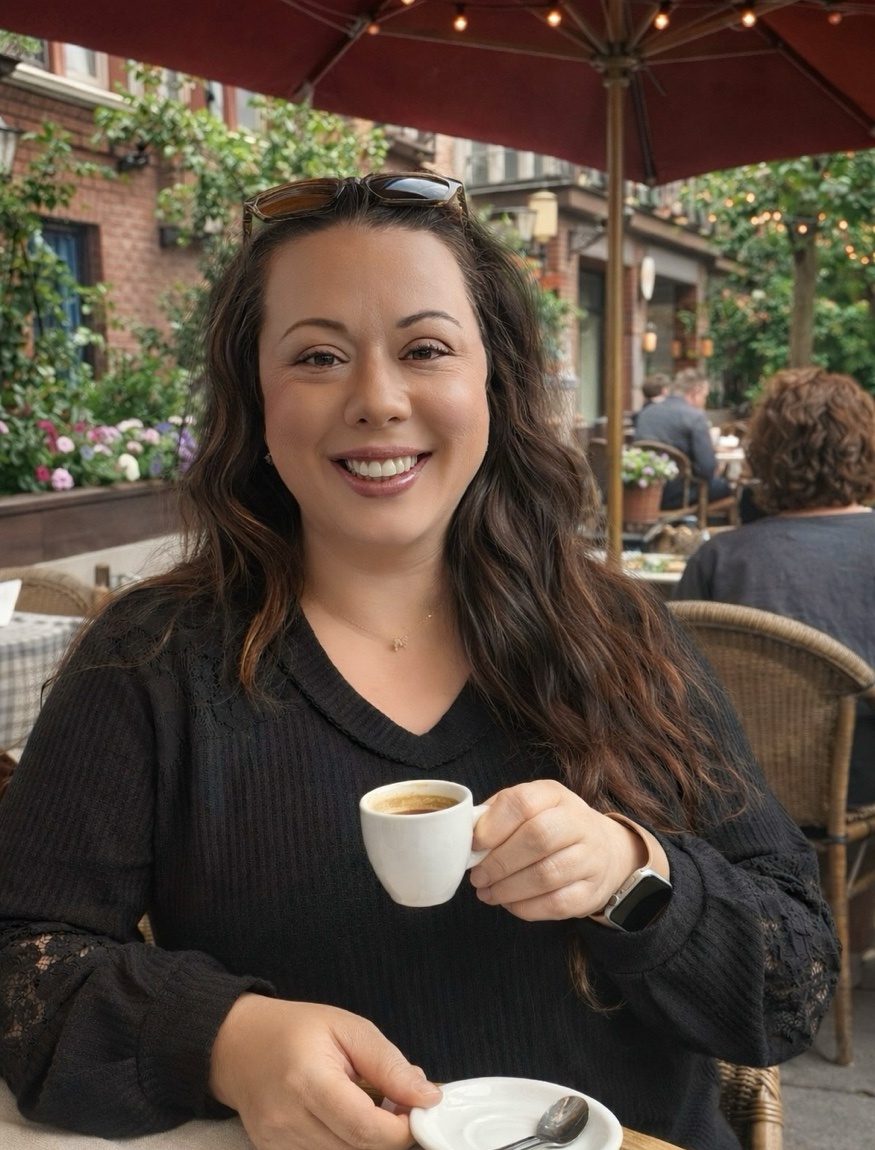
Matilda is a millennial and a licensed North Alabama real estate agent serving first-time buyers and sellers across Scottsboro, Fort Payne, Guntersville, Huntsville, and surrounding communities. She writes these guides because she believes people make better decisions when someone is honest with them — about the market, and about themselves.