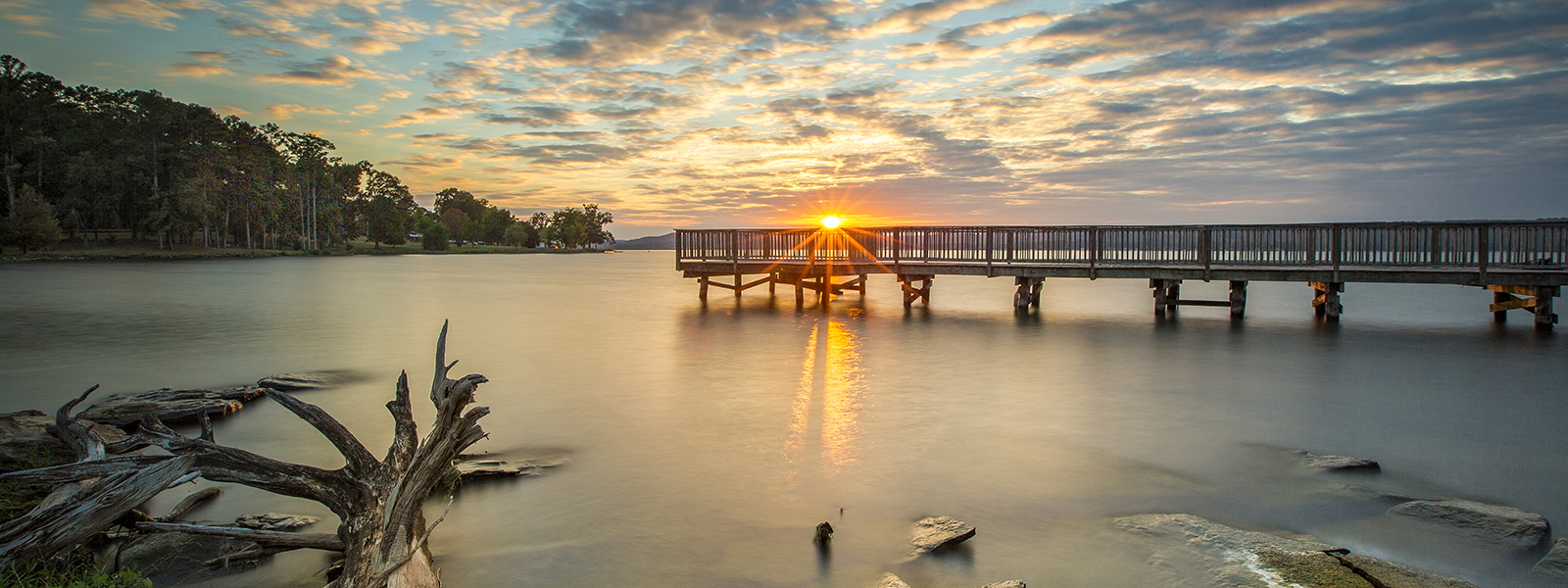
"I want to buy a house. I just don't think I can afford it right now." I hear this almost every week. And honestly? In a lot of places across the country, that feeling is completely justified. But Northeast Alabama is a different story — and most people haven't heard it yet.
The national headlines about housing are discouraging. The average American home now costs around $412,000. Monthly payments on that purchase, at today's rates with a modest down payment, clear $2,900 a month — before taxes, insurance, or a single water heater going out on a Saturday morning. For a lot of families, that number isn't just tight. It's a door that's closed.
But here's what the national headlines don't say: there's a stretch of North Alabama — DeKalb, Jackson, Marshall, Cherokee, and surrounding counties — where that same paycheck stretches in ways that would genuinely surprise you. Where a family earning a normal income can buy a real house, with a real yard, and a monthly payment that doesn't require a spreadsheet and a prayer to make work.
I had a couple reach out to me last year — relocating from out of state, both working remotely, renting a two-bedroom apartment for $1,850 a month and saving as fast as they could. They'd been told by two different lenders in their home state that they were "close but not quite ready." When we ran the numbers here, they qualified comfortably. They closed on a three-bedroom home with a full backyard, in a quiet neighborhood, at $214,000. Their mortgage payment came in $200 less per month than their rent had been. The first thing she said after closing was: "Why did nobody tell us about this place?"
I'm not selling you on a compromise. I'm showing you the math.
The Number That Changes Everything
Let's put the comparison on the table, side by side.
That gap isn't a rounding error. It's a second income. It's a college fund. It's the difference between a household that feels constantly behind and one that finally has some breathing room.
And that $210,000 price point isn't a fixer-upper in a struggling neighborhood. In Northeast Alabama, that's a move-in ready three-bedroom home — often with a yard, often on a quiet street, in a community where people know their neighbors.
Why Northeast Alabama, Specifically?
Alabama as a whole is one of the most affordable states in the country — WalletHub ranks it #1 in the nation for overall housing affordability in 2026. But Northeast Alabama takes that advantage further, because it combines low home prices with some of the lowest property taxes in the entire United States.
Property taxes don't always get the attention they deserve — but they should. A homeowner in New Jersey pays an average of 2.46% in property taxes. On the same $200,000 home, that's nearly $5,000 a year. Here in Northeast Alabama, that same bill runs under $850. Over a 30-year mortgage, that one difference quietly saves you over $36,000.
That's not a footnote. That's a truck. A college semester. A renovation you actually planned for instead of scrambled for.
A Quick Look at the Lay of the Land
Northeast Alabama isn't one community — it's a collection of them, each with its own character and price point. Here's an honest snapshot of what the market looks like across the region.
Most of these communities sit within an hour of Huntsville — Alabama's fastest-growing city and home to the Redstone Arsenal, a major aerospace and defense employer. That commute math matters for buyers who want Northeast Alabama's cost structure with access to a major job market.
The Zero-Down Option Most People Don't Know About
Here's where the Northeast Alabama story gets even better for first-time buyers — and this is the part I genuinely wish more people knew about.
Most of Northeast Alabama qualifies for a USDA Rural Development loan. That means zero down payment. No private mortgage insurance eating into your monthly budget. And a rate that often beats conventional financing.
The myth is that USDA loans are for farms. They're not. They're for communities like ours — smaller, rural, family-centered places that the big national banks don't build products around. Fort Payne qualifies. Most of Jackson County qualifies. Cherokee County qualifies. And for a family earning a normal income, the numbers are very achievable.
Zero down. Real homes. Right here.
Income limit for a household of 1–4: $119,850. For households of 5 or more: up to $158,250. Current USDA Direct rate as of May 2026: 5.00% for qualifying applicants. Most of Northeast Alabama is eligible — check the USDA map at eligibility.sc.egov.usda.gov to confirm your specific address.
On top of the zero-down structure, a good buyer's agent negotiates seller-paid closing costs as part of your offer. That combination — zero down, seller-covered closing costs — means a lot of first-time buyers in this market are closing with very little cash out of pocket. Not because of a gimmick. Because the program exists, the market supports it, and someone showed them how to use it.
"The buyers I love working with most are the ones who came in thinking they couldn't do this yet. We run the numbers together, and something shifts. Not because I sold them something — because the math actually worked."
— Matilda Walston, Southland Realty Co LLCSo What Does Your Money Actually Buy Here?
Price points only mean something when you know what they get you. Let's be real about that.
| Price Range | Nationally | Northeast Alabama |
|---|---|---|
| Under $175,000 | Near-impossible in most markets. Maybe a condo with HOA fees. | 3BR/2BA home on a real lot. Some properties with land. Entry-level but livable. |
| $175,000 – $230,000 | Starter home in a competitive, possibly declining neighborhood. | Move-in ready home. Updated kitchens and baths findable with patience. Some new construction at the top end. |
| $230,000 – $300,000 | Very limited options in most cities. High competition. | Near-new or new construction. Larger lots. 4BR homes. Properties with shops, outbuildings, or acreage. |
| Above $300,000 | Average purchase in most metros. Not special. | Custom homes, mountain brow lots, lakefront access, significant acreage. This is the premium tier — and it's still affordable. |
The honest takeaway is this: in Northeast Alabama, the median-priced home is still a genuinely good home. That's not true everywhere. In a lot of markets, the median gets you something you're tolerating, not something you're proud of. Here, it's different.
The Honest Part — What You're Trading
I write these guides because I think buyers make better decisions with the full picture. So here's the honest version.
Northeast Alabama is not Nashville. It's not Atlanta. If your life depends on a downtown dining scene, a major airport within 20 minutes, or a walkable urban neighborhood — this isn't the trade for you, and I'd tell you that directly.
What it is: space. Quiet. Community. Mountains that earn that name. DeSoto State Park. Guntersville Lake. Small towns where people actually show up for each other. A quality of life that you simply cannot buy in a city — at any price — and a cost structure that gives your family actual financial margin instead of just survival math.
For buyers who are remote workers, or who commute to Huntsville a few days a week, or who are simply done paying someone else's mortgage in a city that keeps moving the goalpost — this region makes a compelling case. The numbers aren't close. They're not even in the same conversation.
$1,543/month in savings adds up fast.
Year one: $18,516. Year five: $92,580. That's real money — not a projection, not a pitch. It's what happens when you stop paying $2,958/month and start paying $1,415. The rest is yours to do something with.
Questions People Ask Before They're Ready to Ask
Let's find out what's
actually possible for you.
Here's what that first conversation looks like: you tell me your price range, your timeline, and whether you've talked to a lender yet. I tell you honestly what that gets you in this market — no pressure, no pitch, no script. If the numbers work, I'll say so. If they don't yet, I'll tell you exactly what needs to change and when to call me back.
Matilda is a licensed North Alabama real estate agent serving buyers and sellers across Fort Payne, Scottsboro, Guntersville, and the surrounding communities. She's a local — and she writes these guides because she believes buyers do better when someone is actually honest with them.